

Perge is an archaeological site in Aksu, east of Antalya, known for its ancient streets and public buildings. For an Antalya to Perge day trip, allow at least 2.5–3 hours at the site and check its opening and ticket details before setting out.
- Location: Barbaros Mahallesi, Perge Caddesi, Aksu, Antalya
- From Antalya city centre: 17 km east
- Time at the site: At least 2.5–3 hours
- Opening pattern: The official museum listing gives daily opening hours of 08:00–20:00, with the ticket office closing at 19:30
Why visit Perge?
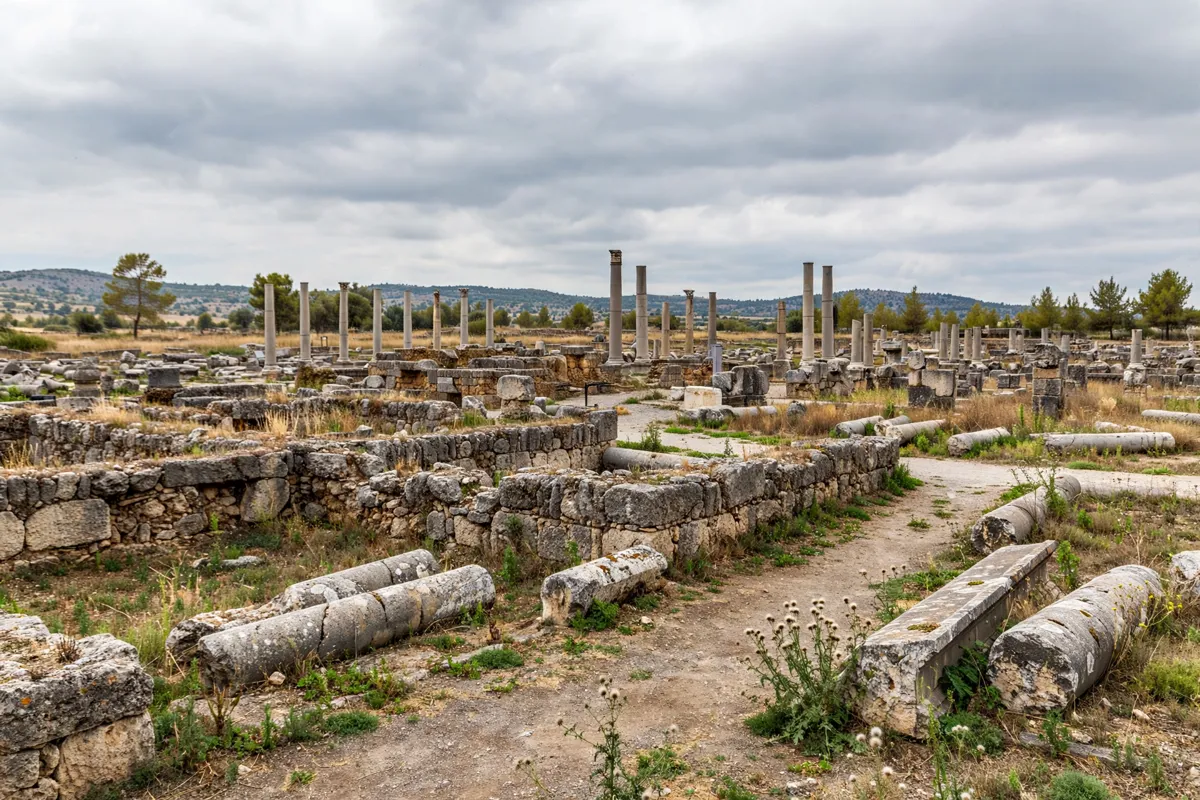
Perge is an ancient settlement whose history reaches back to at least the Early Bronze Age. Its name is associated with “Parha” in Hittite texts, and Türkiye’s Ministry of Culture and Tourism describes it as one of the country’s best-preserved and important ancient settlements.
The site’s layout makes its urban scale easy to understand: two main streets, one running east–west and the other north–south, organize the ancient city. Excavations began in 1946 under Ord. Prof. Dr. Arif Müfid Mansel, according to the official museum listing.
Perge also connects to the wider history of the region. The Ministry of Culture and Tourism says St Paul reached the city by way of the Aksu River during his missionary travels.
What can you see at the Perge archaeological site?
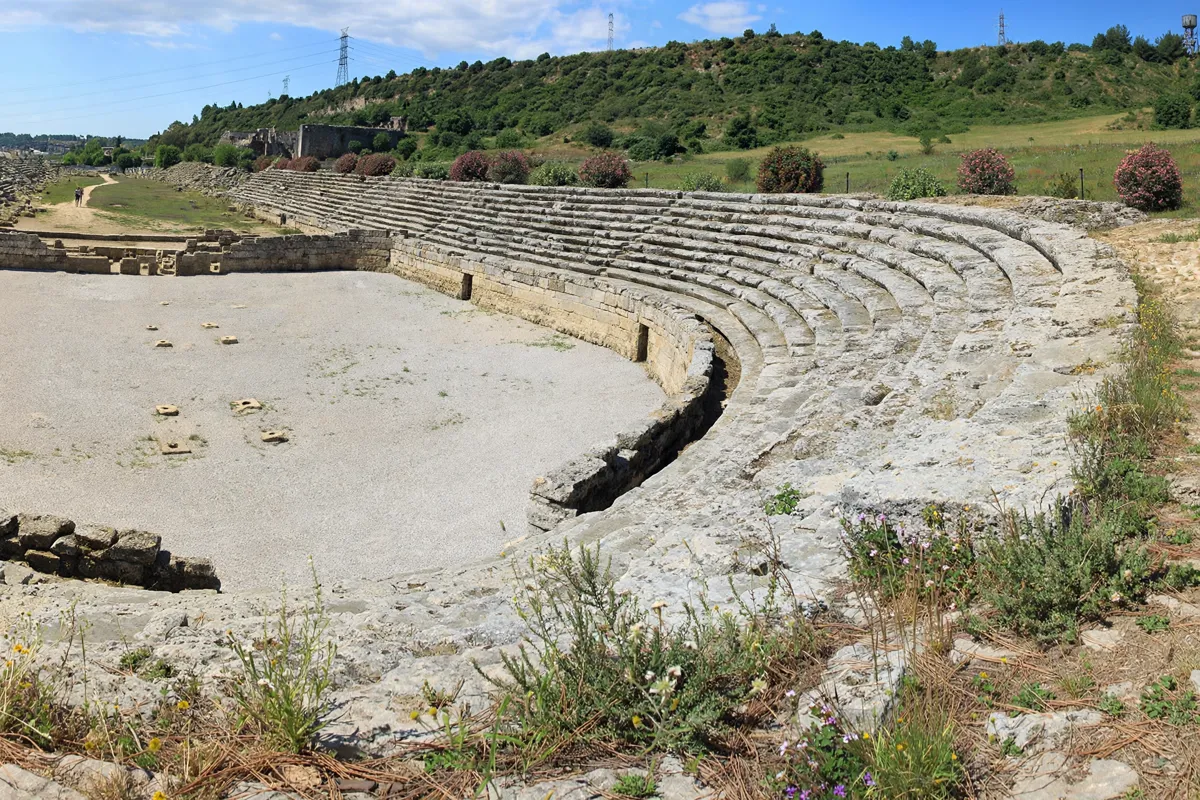
Perge includes a stadium, theatre, city gate, agora and macellum, palaestra, baths, water channels, monumental fountains and colonnaded streets. The two main streets provide a clear framework for understanding how these remains fit into the ancient city.
The stadium, built in the 2nd century BC, could hold approximately 12,000 spectators, according to the Ministry of Culture and Tourism. The theatre had a capacity of approximately 13,000; its stage building was constructed in the 2nd century AD.
Sculptures recovered during excavations at Perge are displayed at Antalya Museum. That makes the museum a relevant addition if you want to see finds from the site alongside the ruins themselves.
How do you get from Antalya to Perge?
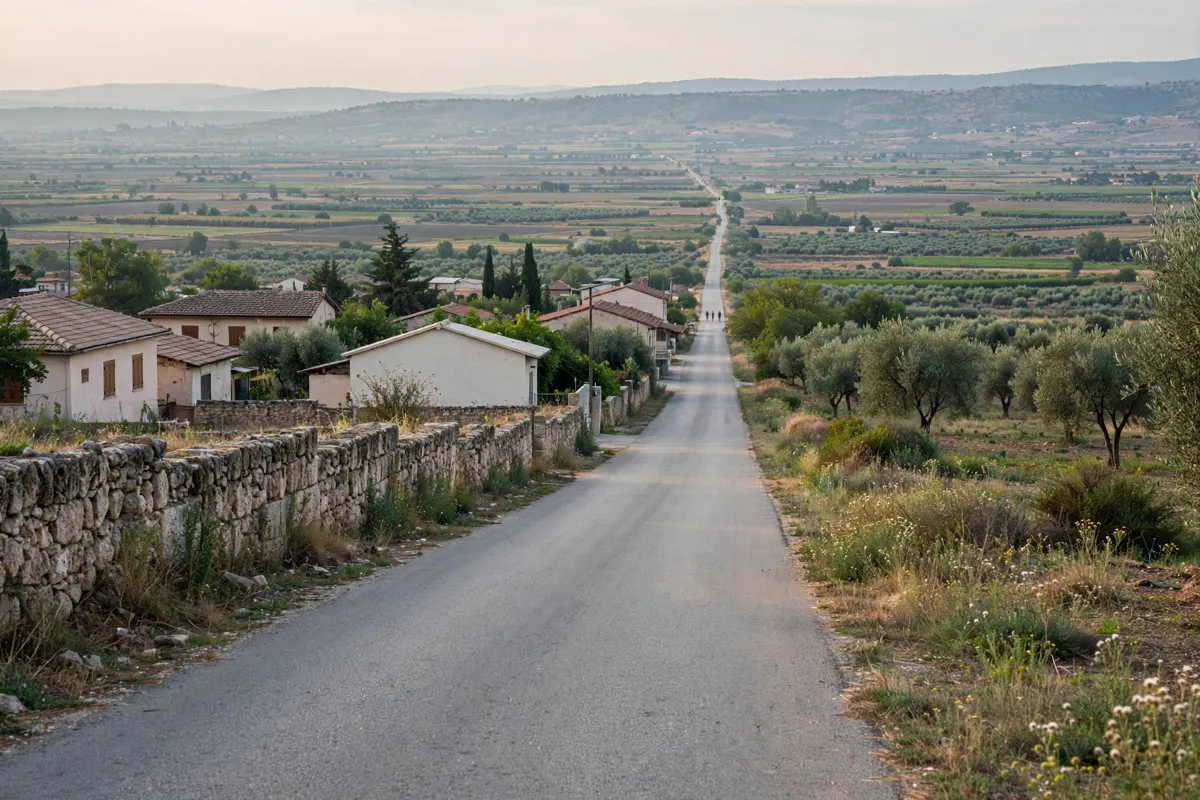
Perge is 17 km east of Antalya city centre, in Aksu. The official museum listing gives its location as Barbaros Mahallesi, Perge Caddesi, Aksu, Antalya. Confirm your route before travelling, as public-transport details can change.
Perge can fit into a day that also includes time in Kaleiçi, but give the archaeological site its own substantial block of time. A walkable day in Kaleiçi offers a different way to spend time in Antalya, focused on the historic centre.
For city travel by tram, bus and on foot, how to get around Antalya covers the main options.
How much time should you allow at Perge?
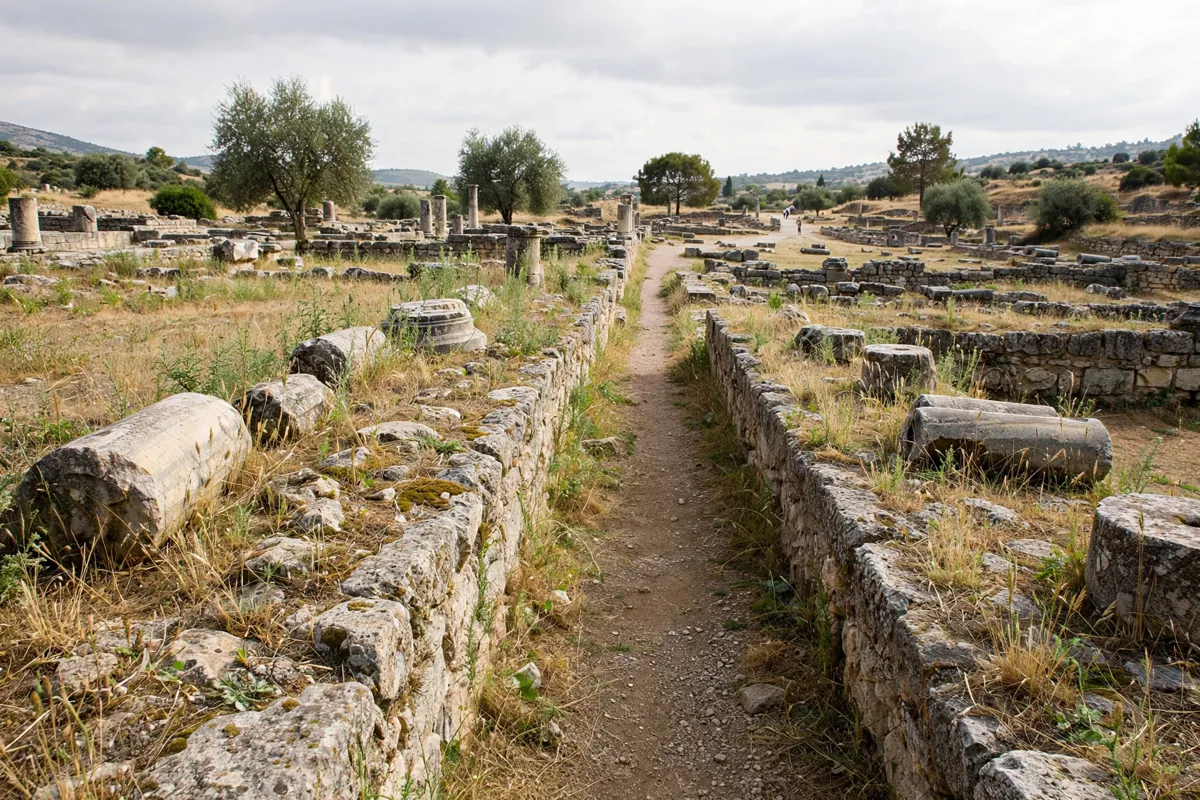
Allow at least 2.5–3 hours to explore Perge comfortably, according to an Antalya visitor guide. That gives you time to take in the city’s main streets and the range of remains across the site, rather than treating the visit as a quick stop.
Use the site’s two main streets as a simple orientation point as you explore. The stadium, theatre, agora and other structures make up a broad archaeological landscape, so factor in time to move between them.
Tickets, hours and visitor facilities
The official museum listing gives Perge’s opening hours as 08:00–20:00 every day, with the ticket office closing at 19:30. Hours and ticket arrangements can change, so check the official site before you go.
The official listing says MüzeKart is valid at Perge for citizens of Türkiye. It also identifies a café and a shop among the site’s facilities. Check admission details before your visit if you need information about standard tickets.
Practical advice for visiting Perge
Plan for a visit of at least 2.5–3 hours and use the two intersecting main streets to orient yourself among the ruins. Perge has a café and a shop, but check current opening and ticket information before you travel.
FAQs
Where is Perge?
Perge is in Barbaros Mahallesi, Perge Caddesi, Aksu, Antalya. It lies 17 km east of Antalya city centre.
How long should you spend at Perge?
Allow at least 2.5–3 hours to explore the site comfortably.
Is the theatre part of the site?
Yes. Perge includes an ancient theatre as well as a stadium, city gate, agora, baths and colonnaded streets.